High-Speed Ferry Maintenance, Crew and Compliance Software
Maintenance by running hours, crew certificates, hours of rest and ISM, ISPS and SOLAS records for fastcraft, catamarans and hydrofoils.
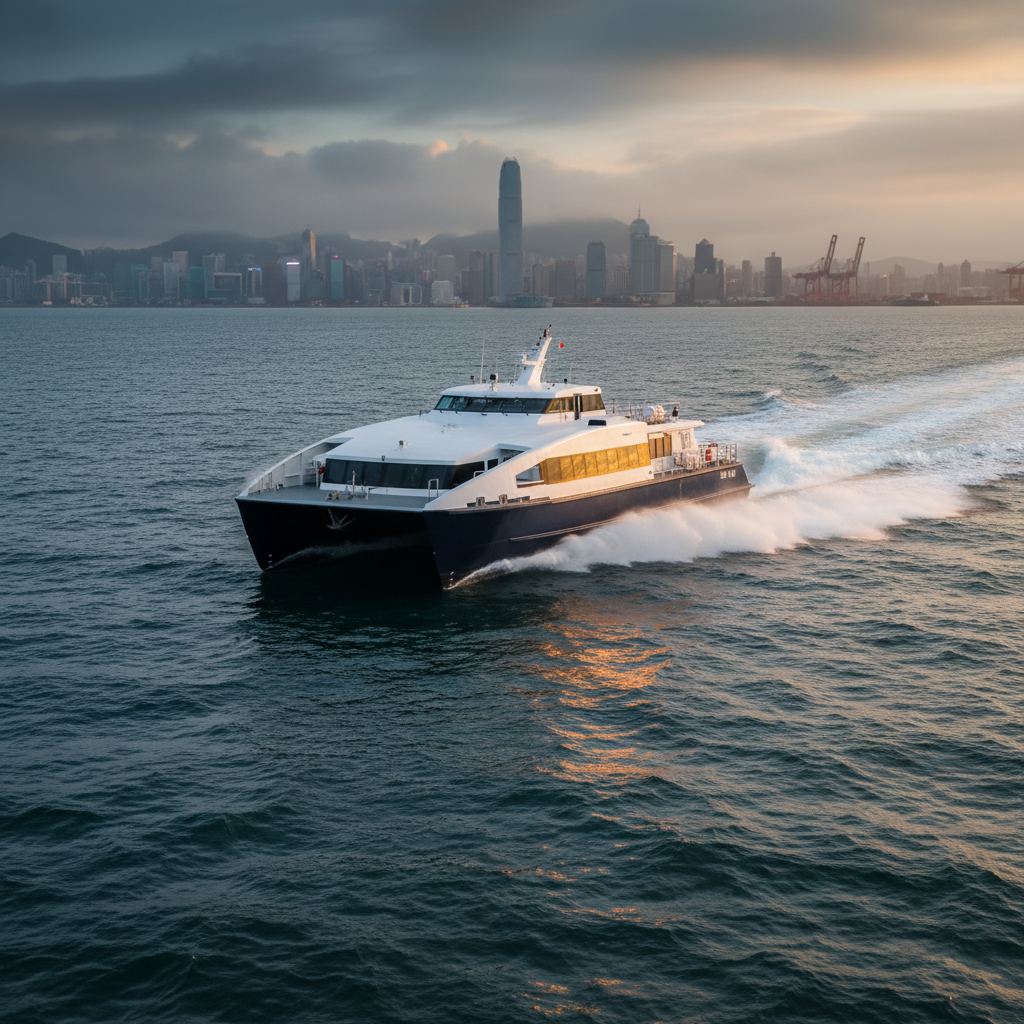
Who this is for
- You operate high-speed passenger craft: catamarans, fastcraft, hydrofoils or hovercraft
- Your vessels make short, frequent crossings, so engines and waterjets add running hours quickly
- Your crews work tight rotations and hours of rest must be recorded against MLC and STCW limits
- You need to know which crew member holds which certificate, including type ratings, and when each expires
- You already run ticketing and boarding in another system and want to keep it
High-speed ferries work at a different pace from conventional ones. Crossings are short, turnarounds are quick and the day is made of many sailings. Engines, gearboxes and waterjets accumulate running hours fast, crews work close to their rest limits, and there is little slack when a spare part is missing.
SupaMaritime Ferry handles the vessel and crew side of that operation: planned maintenance by calendar or running hours, defects and work orders, onboard spare parts, crew certificates with expiry alerts, duty rosters with hours of rest checked against MLC and STCW limits, and a compliance hub for ISM, ISPS and SOLAS records.
It is not a boarding, ticketing, timetable, fuel or weather system. It does not read QR codes, count passengers, optimise speed or routes, or give go/no-go advice, and it does not connect to the systems that do. Those stay as they are; SupaMaritime runs alongside them.
Where the day breaks down
Running hours add up fast
High-speed engines, gearboxes and waterjets run for most of the operating day. Maintenance intervals set in hours come round quickly, and a spreadsheet that is a week out of date is already wrong.
Rest hours on short, frequent crossings
With many sailings a day and short turnarounds, the margin between a normal day and a breach of MLC or STCW rest limits is thin. Weekly paper sheets show the problem after it has happened.
Type ratings and crew certificates
High-speed craft crews hold type-rating certificates on top of their STCW certificates. Keeping track of who holds what, and when it expires, is hard to do from a folder.
Safety evidence on a busy service
Drills, audits, ISM and ISPS items and vessel certificates still need records, even when the vessel barely stops. Gathering them before an inspection takes time the operation does not have.
A missing spare can cancel sailings
When a filter, seal or waterjet part is used and not reordered, the next defect can take a vessel out of service. Onboard stock is rarely known with confidence.
Defects reported by word of mouth
Crew spot problems between crossings and mention them on the radio or at handover. Without a record, the office hears about them late or not at all.
Built around the workflow, not bolted on top
SupaMaritime Ferry gives each high-speed vessel a maintenance plan driven by calendar or running hours, a crew and rest-hour record, a spare parts inventory and a compliance file, with a dashboard for the office. Ticketing, boarding, timetables, fuel and weather decisions stay in the tools and procedures you already use.
Maintenance by running hours or calendar
An equipment register for engines, gearboxes, waterjets, generators and safety equipment, with maintenance jobs and work orders planned by running hours or by date.
Hours of rest against MLC and STCW
Duty roster and recorded hours checked against MLC and STCW rest limits, with timesheets and leave requests for each crew member.
Crew certificates with expiry alerts
Every crew member's certificates, type ratings included, with expiry dates and alerts before they lapse.
ISM, ISPS and SOLAS compliance hub
Audits, drills, insurance inspections, ISM and ISPS items, SOLAS records and vessel certificates with expiry reminders.
Spare parts inventory
Onboard stock per vessel. Parts used on a work order come off inventory, low stock shows on the dashboard and inventory orders are tracked.
Defects and reports from the crew
Defects logged against equipment, and a Telegram assistant that takes messages, voice notes and photos from the crew. The office dashboard shows open defects per vessel.
Illustrative example: a hypothetical three-vessel fastcraft service
This is an invented scenario, not a customer story. An operator runs three catamarans on a short harbour crossing with many sailings a day. Ticketing and boarding run in a transit ticketing system, and masters make weather decisions as they always have. The technical manager wants maintenance, crew and compliance records in one place.
Before SupaMaritime
After SupaMaritime
Running hours copied from the engine room into a spreadsheet at the end of each week.
Maintenance jobs planned by running hours or calendar against each vessel's equipment register.
Rest hours on paper sheets, checked at a weekly meeting.
Duty roster and hours of rest recorded in the app and checked against MLC and STCW limits.
Type-rating and STCW certificate expiries tracked in a personal calendar.
Crew certificates, type ratings included, with expiry alerts.
Defects reported by radio or at handover, with no record.
Defects logged against equipment and visible on the office dashboard.
Drill and audit records collected from each vessel before inspections.
Drills, audits and vessel certificates kept in the compliance hub.
Facts you can check
Recorded hours checked against MLC and STCW rest limits.
English, Italian, Spanish, French, German and Portuguese.
Dashboard, Contacts, Onboard inventory and Documents, no credit card.
Databases are backed up every day; deleted files are kept for 90 days.
What SupaMaritime covers for a high-speed operator, and what it does not
High-speed ferry operations run on an hourly rhythm rather than a daily one: short crossings, quick turnarounds and many sailings per vessel each day. That rhythm puts pressure on two areas at once: the commercial one (ticket sales, boarding, timetables) and the technical one (maintenance, crew, safety records).
SupaMaritime covers only the technical side. It has no ticketing, QR boarding, passenger counting, timetable, fuel optimisation, weather routing or go/no-go features, and it does not connect to the systems that provide them. There is no public API.
What it does is keep each vessel's maintenance plan, defects, spare parts, crew certificates, hours of rest and compliance records in one web app, with a dashboard that shows the office what needs attention across the fleet.
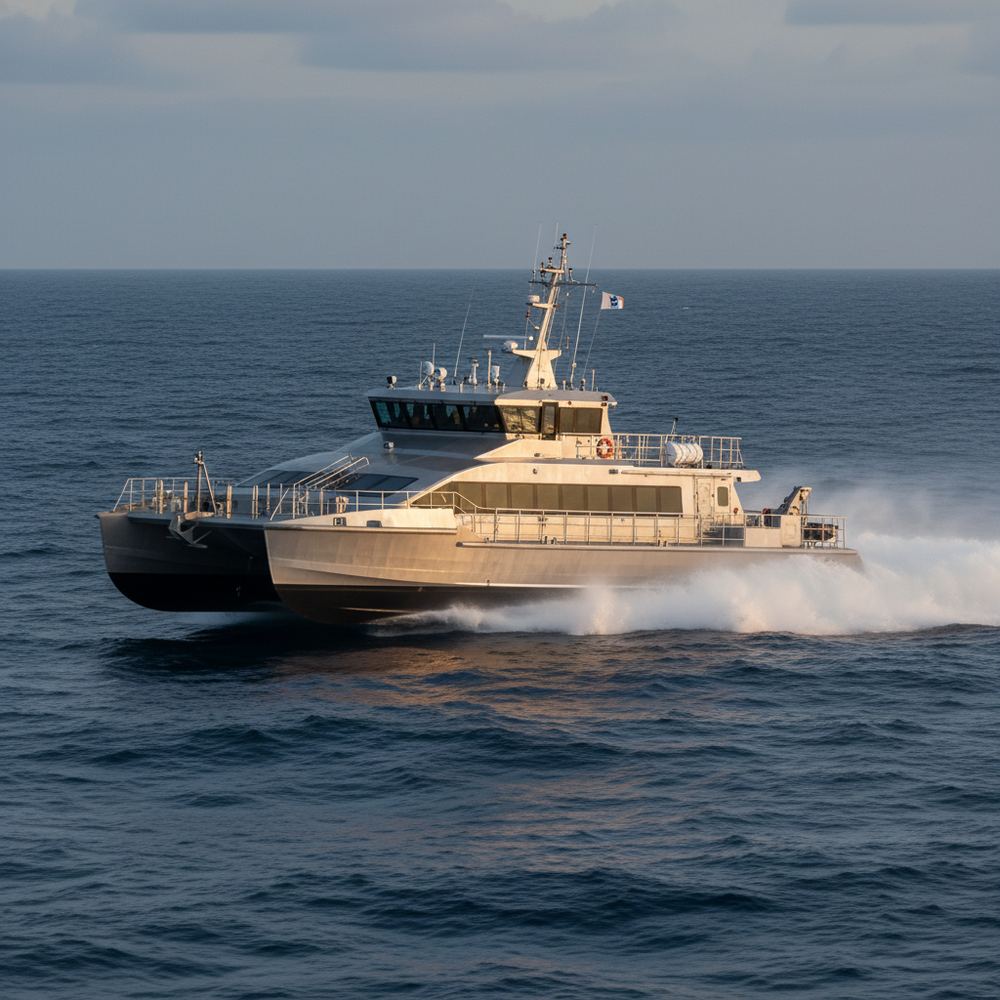

Running hours: maintenance at high-speed pace
High-speed craft rely on light, highly rated machinery: high-speed diesels or gas turbines, reduction gearboxes and waterjets. On a busy service they run for most of the day, so maintenance intervals set in hours come round quickly.
Fuel and speed matter a great deal to fastcraft economics, but SupaMaritime does not measure fuel or recommend speeds. Its part is keeping the machinery maintained: jobs tied to each item in the equipment register, planned by running hours or calendar, with work orders and defects logged against the equipment.
Parts used on a work order come off the onboard inventory, low stock shows on the dashboard and inventory orders are tracked, so the spares a vessel depends on are visible before the next job needs them.
Drills, audits and certificates: evidence ready for inspection
High-speed craft are certified under the IMO High-Speed Craft Code, with operating limits set for each vessel, and they remain subject to ISM, ISPS, STCW and MLC requirements. The decision to sail or cancel in marginal weather rests with the master and the company's procedures; SupaMaritime has no weather data or go/no-go workflow.
What an auditor, flag inspector or port State control officer asks for is evidence: drills held, audit findings closed, equipment inspected, certificates in date. On a vessel that makes many crossings a day, collecting that evidence by hand competes with running the service.
SupaMaritime Ferry keeps ISM and ISPS items, audits and drills, insurance inspections, SOLAS records and vessel certificates in its compliance hub, with expiry reminders. Documents have their own expiry reminders too, and everything can be exported as CSV, JSON or XLSX.
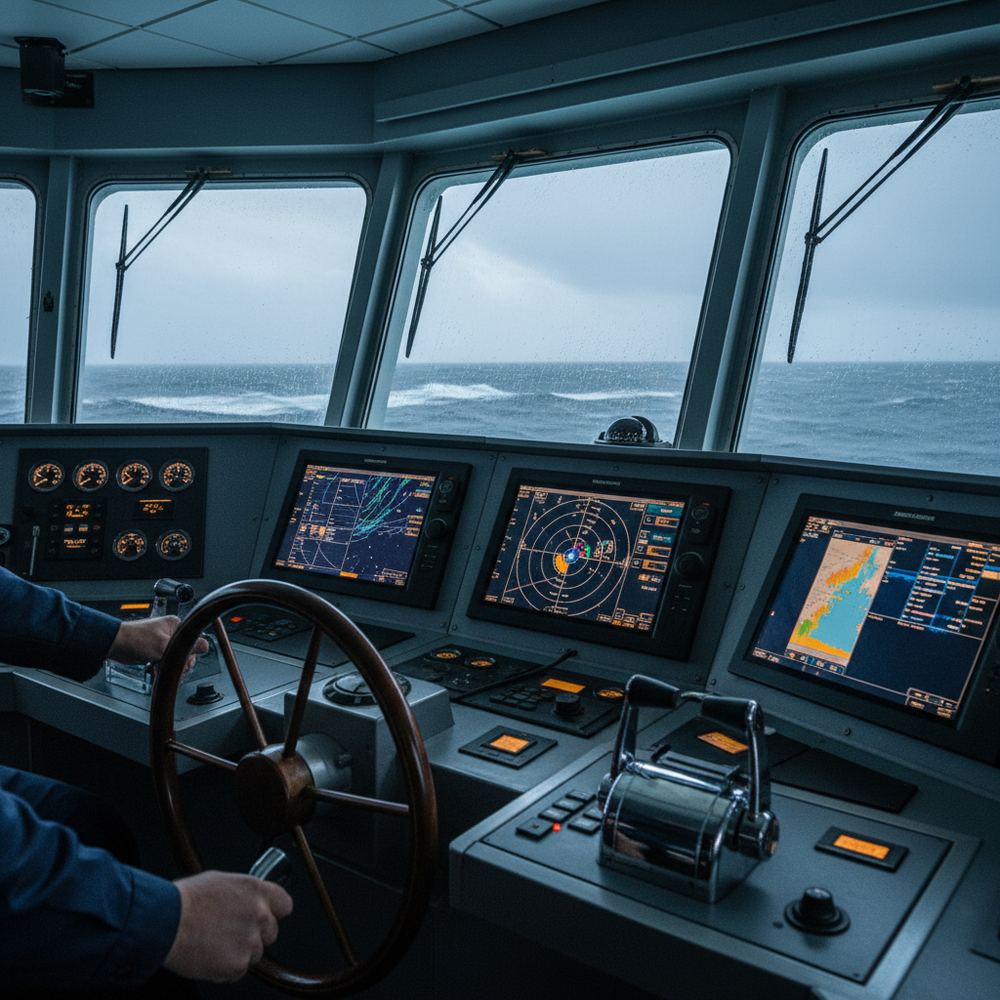
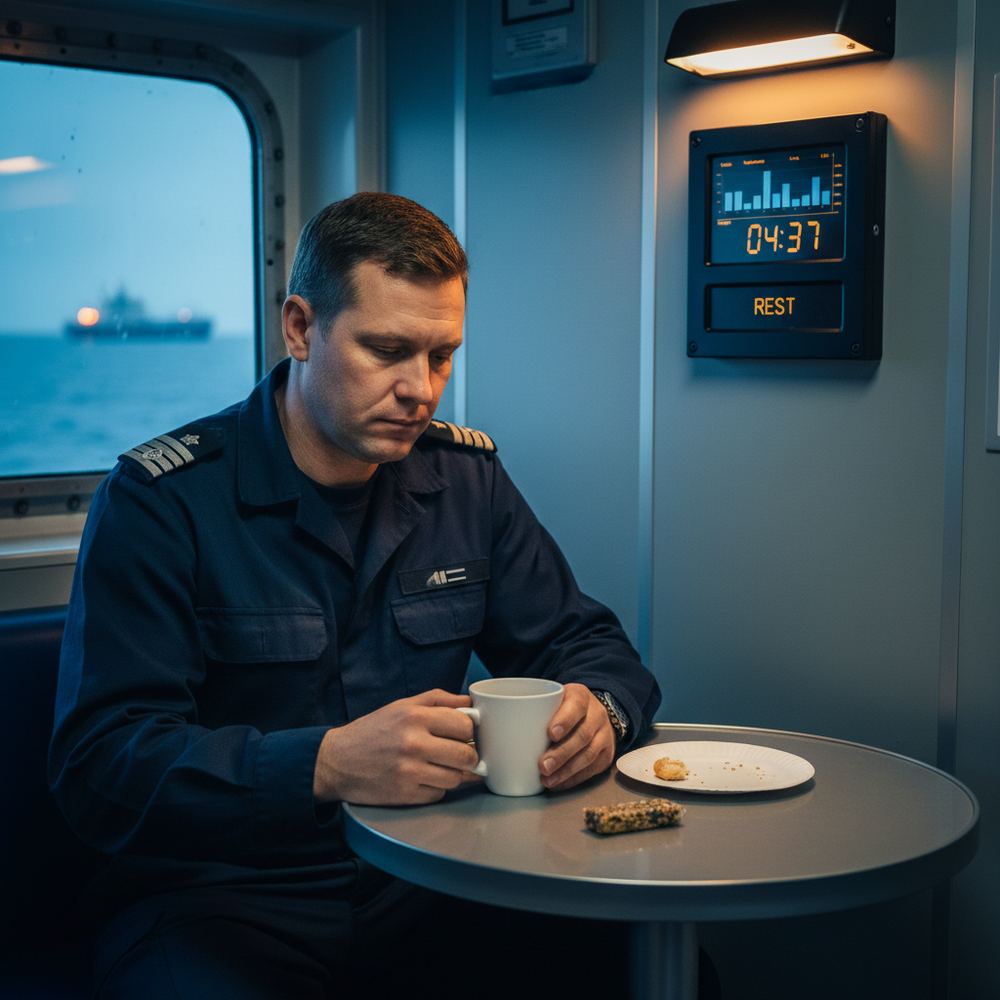
STCW hours of rest in a high-frequency operation
STCW and MLC set minimum hours of rest: at least 10 hours in any 24-hour period and 77 hours in any 7-day period, with the daily rest split into no more than two periods, one of them at least 6 hours long. On a conventional ferry with long port stays this is usually comfortable. On a high-speed service with many short sailings, the margin is thin.
A breach is a finding at port State control and a fatigue risk on board. When rest hours are kept on paper and reviewed weekly, the first sign of a problem is often the breach itself.
In SupaMaritime each vessel has a duty roster, and recorded hours are checked against MLC and STCW limits. Timesheets, leave requests and crew certificates sit in the same crew record, and the records can be exported for an inspection.
How this compares to the alternatives
Handle ticket sales, QR or contactless boarding and passenger counts. SupaMaritime does none of this and does not connect to them; the two run side by side.
Several vendors offer planned maintenance, crew and compliance systems for ships. Compare scope, languages, hosting and price per vessel with SupaMaritime.
Measure fuel use and vessel performance. SupaMaritime has no fuel or performance features.
Still a common way to track running hours and rest hours. Cheap to start, hard to keep current on a busy service.
Frequently asked questions
What does SupaMaritime Ferry do for high-speed ferry operators?
Does it handle ticketing, QR boarding or passenger counts?
Does it optimise fuel, speed or routes, or support weather go/no-go decisions?
Can maintenance be planned by running hours?
How does it help with hours of rest on short, frequent crossings?
Can we track type-rating certificates for high-speed craft crew?
Does it work on board when the signal is weak?
Does it connect to ticketing or other systems?
See it in your workflow, not a generic demo
We'll walk through built for high-speed ferry operators.
Start on the free plan (Dashboard, Contacts, Onboard inventory and Documents, no credit card). Pro is €199 per vessel per month + VAT. For larger fleets, contact us for a quote.