Inter-Island Ferry Software for Maintenance, Crew and Compliance
Planned maintenance, crew certificates, hours of rest and ISM, ISPS and SOLAS records for every vessel in an island network, in one web app.
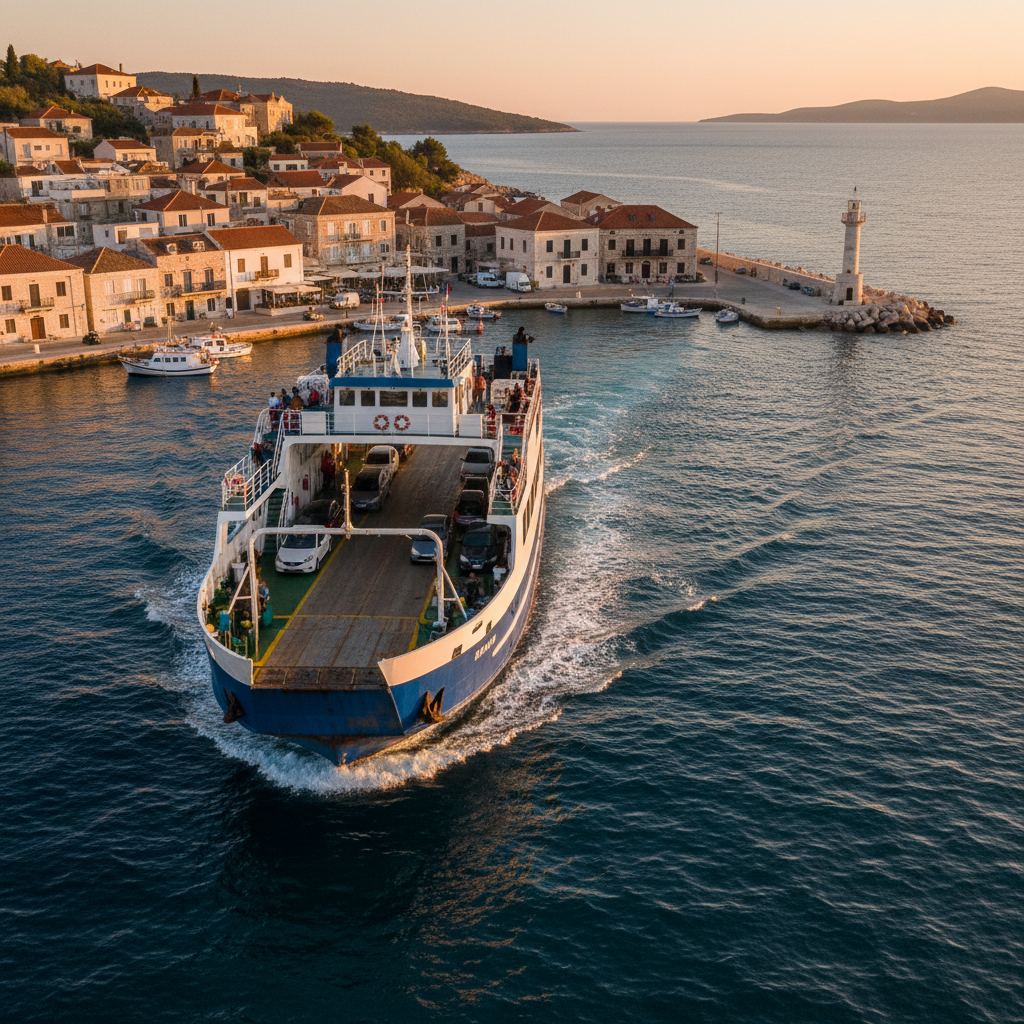
Who this is for
- You run ferries between islands or along a coast, with vessels calling at several small ports
- Maintenance, crew certificates and rest hours are tracked in spreadsheets, paper logbooks or shared folders
- Your crews change with the season, and new people need to find procedures, checklists and documents quickly
- The office needs to see the status of every vessel without phoning each master
- Ticketing, reservations and timetables already run in another system, and you are looking for the maintenance and compliance side
Inter-island and coastal ferry networks run many short crossings with small crews, often from ports far from the head office. Weather, tourist seasons and public service obligations shape the timetable, but underneath it sits the same compliance work every operator carries: engines and safety equipment kept maintained, crew certificates kept current, rest hours kept within MLC and STCW limits, and ISM, ISPS and SOLAS records ready for an audit or a port state control inspection.
In many island networks that work depends on a few experienced people and a mix of spreadsheets, paper logbooks and shared folders. When a chief engineer moves to another vessel or a seasonal crew arrives, the history of a machine or the status of a certificate becomes hard to find.
SupaMaritime Ferry covers that side of the operation: planned maintenance, spare parts, crew records, hours of rest and a compliance hub, per vessel and across the fleet. It does not do ticketing, reservations, timetables, weather routing or deck loading. Those stay in the systems you already use, and SupaMaritime does not connect to them.
Where the day breaks down
Maintenance history scattered across vessels
Each vessel keeps its own record of jobs done and running hours, in its own format. The office cannot easily see what is overdue across the network.
Certificates expiring on different dates
Vessel certificates, crew certificates and insurance inspections each have their own expiry date, and one missed date can keep a vessel alongside.
Rest hours under pressure in high season
Extra summer sailings stretch crews. Rest hours must still meet MLC and STCW limits, and shortfalls are often found only when the records are checked later.
Drills and ISM records on paper
Drills, audits and ISM items are logged in binders on board, so preparing for an audit means collecting paper from every vessel.
Spare parts on the wrong island
Without a shared inventory nobody is sure which vessel holds a part, and small ports make urgent deliveries slow and expensive.
Knowledge held by a few senior people
Procedures, equipment manuals and the history of recurring defects live with a few experienced officers, which makes seasonal handovers fragile.
Built around the workflow, not bolted on top
SupaMaritime Ferry is a web app for the maintenance, crew and compliance work of a ferry operator. Each vessel has its equipment, maintenance plan, inventory, crew and certificates, and the office sees the whole fleet on one dashboard. Passenger ticketing, reservations, timetables and deck loading are not part of it and stay in your existing systems.
Planned maintenance and work orders
Maintenance tied to each piece of equipment and planned by calendar or running hours, with work orders and defects kept in the vessel history.
Onboard inventory and spare parts
Spare parts listed per vessel. Parts used on a job come off the inventory, and inventory orders show what has been requested.
Crew records and certificates
Crew files with certificates and expiry alerts, a duty roster, timesheets and leave requests, ready when seasonal crew join.
Hours of rest against MLC and STCW
Crew record their hours of rest and the system checks them against MLC and STCW limits, so shortfalls show up before an inspection does.
Compliance hub: ISM, ISPS and SOLAS
ISM and ISPS items, SOLAS records, audits and drills, insurance inspections and vessel certificates with expiry reminders, next to checklists, logbooks and documents.
Fleet dashboard for the office
Overdue maintenance, expiring documents, low stock and open defects for every vessel, with role and department permissions.
Illustrative example: a small island ferry operator moving off spreadsheets
A hypothetical operator runs four vessels between several islands and the mainland. Maintenance, crew certificates and rest hours are kept in spreadsheets and paper logbooks on each vessel, and the office prepares for audits by collecting documents from every ship. This is a generic scenario, not a customer story.
Before SupaMaritime
After SupaMaritime
Each chief engineer keeps maintenance records in a personal spreadsheet, and the office sees them only when it asks.
Maintenance is planned per equipment item by calendar or running hours, and work orders are closed in the app.
Crew certificate expiry dates are tracked in a shared file that is not always up to date.
Crew certificates are stored in the crew records with expiry alerts.
Rest hours are written on paper and compared with MLC and STCW limits only after the fact.
Hours of rest are recorded in the app and checked against MLC and STCW limits.
Drill and ISM records sit in binders on board and are gathered by hand before an audit.
Drills, audits, ISM and ISPS items and SOLAS records are logged in the compliance hub.
Nobody is sure which vessel holds a given spare part.
Spare parts are listed in each vessel's onboard inventory and come off stock when used.
Facts you can check
Rest hours are checked against MLC and STCW limits as they are recorded.
Dashboard, contacts, onboard inventory and documents, with no credit card required.
Per vessel per month, excluding VAT, with 5 crew seats included per vessel.
English, Italian, Spanish, French, German and Portuguese.
Why inter-island operations make compliance harder
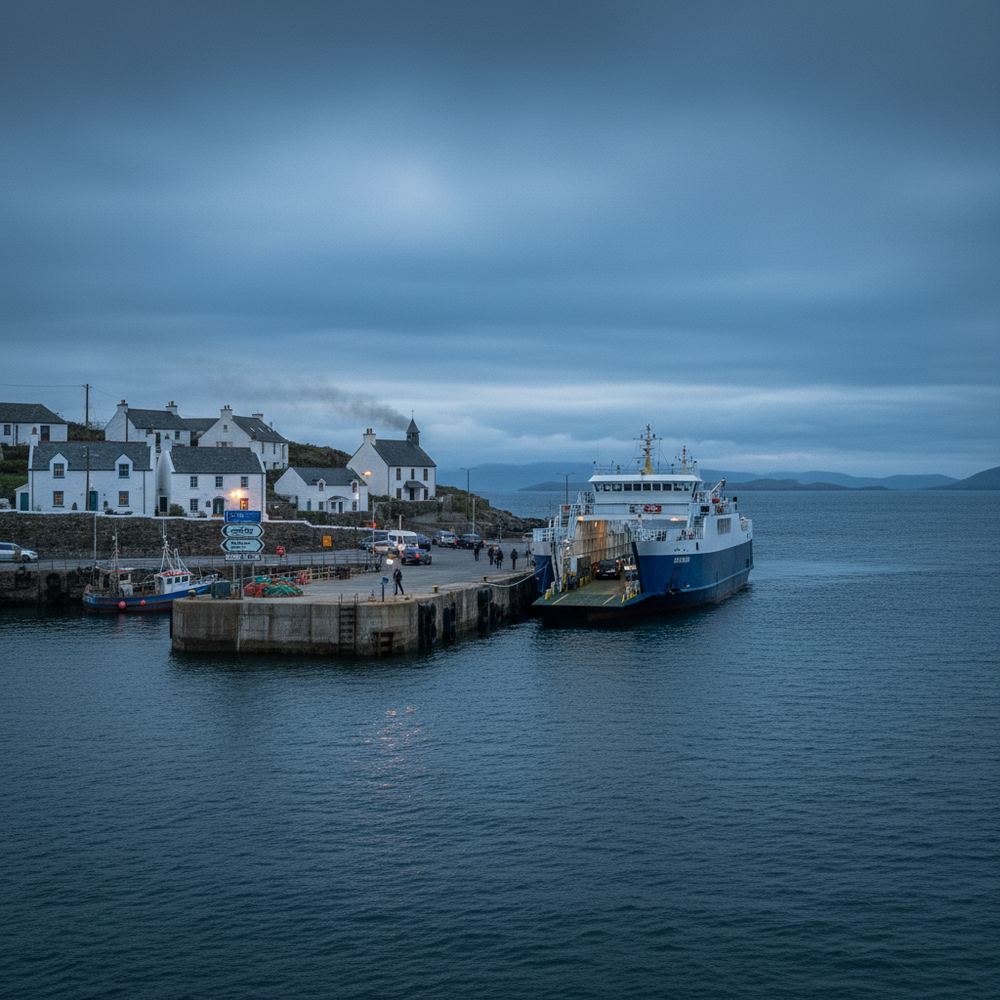
Island networks run short, frequent crossings with small vessels, often through waters where the weather changes quickly. Vessels spend nights at different ports, crews rotate between ships, and the head office may be on another island or on the mainland. All of this makes it harder to keep one current picture of maintenance, certificates and records.
The regulatory requirements do not shrink with the vessel. Ferries still need a safety management system under the ISM Code, security records under ISPS where it applies, SOLAS equipment and drills, and crew rest hours that meet MLC and STCW limits.
SupaMaritime Ferry keeps these records per vessel in one web app that works on desktop, tablet and phone. When the mobile signal drops between islands, the last synced data stays readable, so the crew can still look up a checklist or a document.


Hours of rest and crew certificates in a seasonal operation
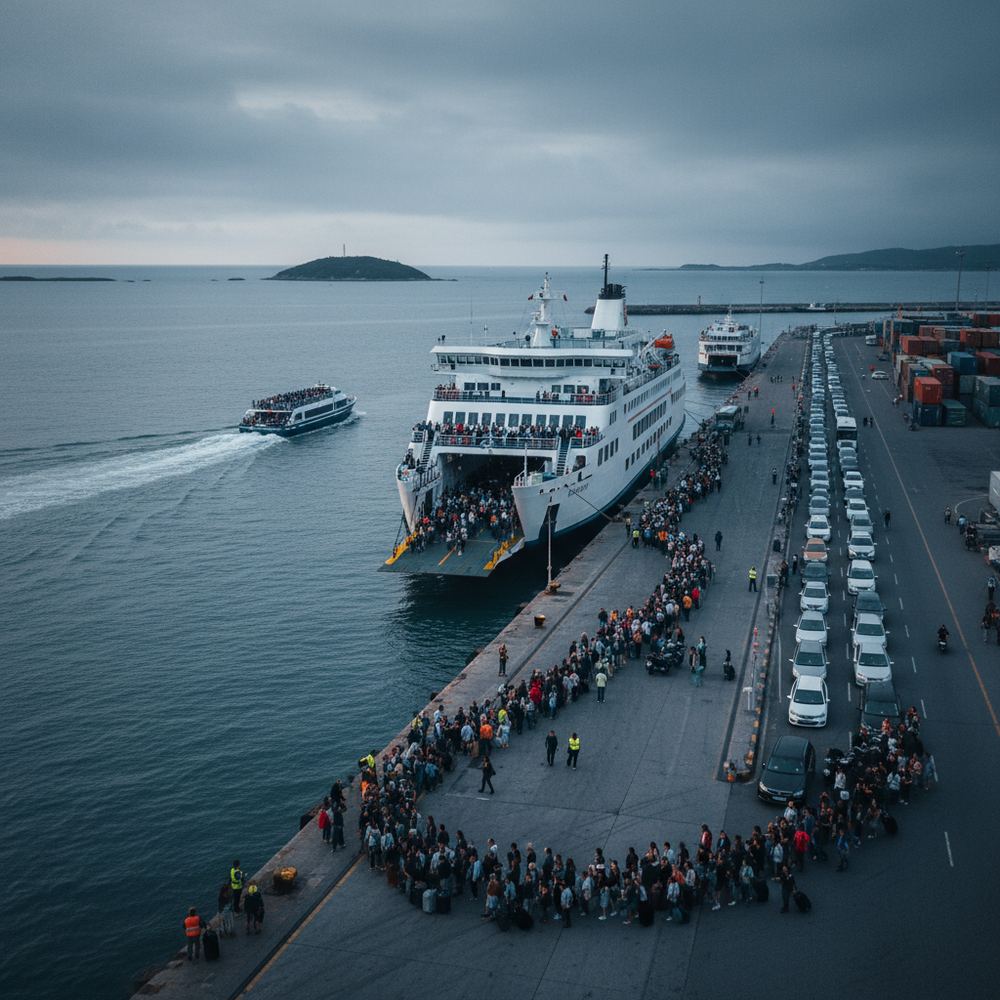
Many island operators add sailings and crew for the summer. Seasonal crew bring their own certificates, each with its own expiry date, and busier days put pressure on rest hours.
MLC and STCW set minimum hours of rest per day and per week. Records written on paper and checked later tend to reveal problems only when an inspector or an auditor reads them.
In SupaMaritime, crew records hold certificates with expiry alerts, and hours of rest are checked against MLC and STCW limits as they are entered. The duty roster, timesheets and leave requests sit in the same place. Planning the sailings themselves stays in your existing tools.
What SupaMaritime covers, and what stays in your other systems
A ferry operator runs several kinds of software. Reservations, ticketing, check-in and timetables serve passengers; maintenance, crew and compliance records serve the vessels and the regulators. Public service contracts often add their own reporting on passengers carried and sailings operated.
SupaMaritime Ferry is for the vessel side. It does not handle ticketing, reservations, passenger manifests, timetables, fuel or emissions data, and it has no public API or standard connectors to those systems. Subsidy or concession reports built on passenger and fuel figures stay in the tools that hold those figures.
What it does hold (maintenance history, certificates, rest hours, drills, audits and documents) can be exported at any time as CSV, JSON or XLSX, with files in their original format.
Seasonal crews and shared knowledge
When crew numbers grow for the season, new people need to find procedures, checklists, equipment manuals and vessel documents quickly, and they should see only what their role requires.
SupaMaritime keeps checklists, logbooks and documents per vessel, with role and department permissions. An AI assistant answers questions from the manuals and documents you upload, and a Telegram assistant lets crew send messages, voice notes and photos from the vessel.
The interface is available in English, Italian, Spanish, French, German and Portuguese, which helps when crews are mixed.
How this compares to the alternatives
Software for the ferry sector focused on reservations and ticketing, a different part of the operation from SupaMaritime's maintenance and compliance work.
Ferry booking and ticketing systems, used alongside rather than instead of maintenance and compliance software.
Many island networks use national vendors or in-house software built around local requirements.
A common starting point for maintenance and crew records in smaller networks. It works while a few people know where everything is.
Frequently asked questions
Does SupaMaritime Ferry handle weather cancellations and rebooking?
Can the office see every vessel in the network in one place?
Can it produce government subsidy reports?
Does it help with MLC and STCW hours of rest during the summer peak?
What happens when there is no mobile signal between islands?
Does it work for both passenger-only and vehicle ferries?
What does SupaMaritime Ferry cost for a small operator?
Where is the data hosted?
See it in your workflow, not a generic demo
We'll walk through built for inter-island ferry networks.
Free plan with Dashboard, Contacts, Inventory and Documents. Pro is €199 per vessel per month + VAT. For larger fleets, contact us.