Ferry Group Software for Fleet Maintenance and Compliance
Maintenance, crew, hours of rest and ISM, ISPS and SOLAS records for every vessel across your routes, with one fleet view for the office.
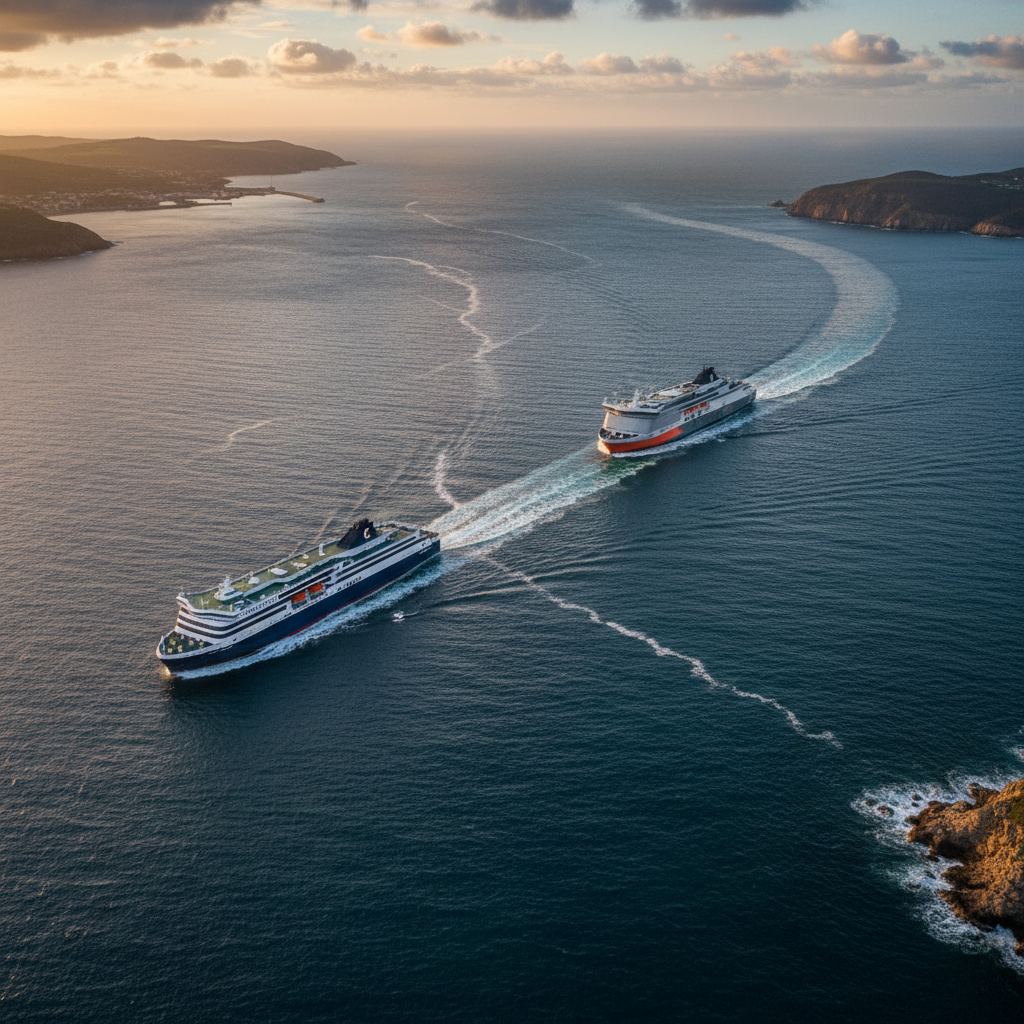
Who this is for
- Your company runs several ferry routes, possibly across regions or countries
- You operate a fleet, and the office needs one view of maintenance and compliance across every vessel
- Different vessels or regions keep maintenance, crew and certificate records in different formats
- Audits and inspections mean collecting ISM, ISPS and SOLAS evidence from several ships
- Ticketing, reservations, timetables and finance already run in other systems
Ferry companies that run several routes often grow vessel by vessel or through acquisitions. The result is familiar: each region or vessel keeps its maintenance, crew and certificate records its own way, and the office assembles the fleet picture by hand before every audit or management meeting.
The obligations are the same on every route: a safety management system under the ISM Code, ISPS security records, SOLAS equipment and drills, valid crew certificates, and rest hours within MLC and STCW limits.
SupaMaritime Ferry puts those records in one web app, per vessel, with a multi-vessel view for the office and permissions by role and department. It is not a ticketing, reservation, timetable, finance or ESG system, and it does not connect to one: those stay where they are.
Where the day breaks down
Different record-keeping on each vessel
Maintenance and defect records live in different spreadsheets, logbooks or older tools, so comparing vessels is slow.
No fleet-wide view of what is overdue
The office cannot see at a glance which maintenance is overdue, which documents are expiring or which defects are open across the fleet.
Certificates tracked separately everywhere
Vessel certificates, crew certificates and insurance inspections are followed by each vessel or region on its own, and expiry dates slip.
Audit preparation across many ships
ISM, ISPS and SOLAS evidence, drill records and audit findings have to be collected from every vessel before an audit.
Spare parts without shared visibility
Each vessel manages its own stock, so the office has little view of low stock or open inventory orders.
Rest hours checked after the fact
Hours of rest are kept on paper or in separate files and compared with MLC and STCW limits only when someone reviews them.
Built around the workflow, not bolted on top
SupaMaritime Ferry gives every vessel the same structure (equipment, maintenance plan, inventory, crew, certificates and compliance records) and gives the office a multi-vessel view with role and department permissions. It covers maintenance, crew and compliance; ticketing, reservations, timetables, finance and emissions reporting stay in your other systems.
Multi-vessel fleet view
The office moves between vessels and sees overdue maintenance, expiring documents, low stock and open defects on the dashboard.
Planned maintenance and defects
Maintenance tied to equipment and planned by calendar or running hours, with work orders, defects and an equipment register for each vessel.
Compliance hub
ISM and ISPS items, SOLAS records, audits and drills, insurance inspections and vessel certificates with expiry reminders.
Crew and hours of rest
Crew records with certificates and expiry alerts, duty roster, timesheets, leave requests and hours of rest checked against MLC and STCW limits.
Onboard inventory and orders
Inventory per vessel, parts used on jobs deducted from stock, and inventory orders tracked.
Roles and permissions
Access by role and department, scoped by organisation and vessel, with multi-factor authentication.
Illustrative example: a ferry company bringing vessel records into one place
A hypothetical ferry company runs routes in two regions with a mixed fleet. Each region keeps maintenance and certificates in its own spreadsheets, and the office compiles a fleet status report by hand before audits. This is a generic scenario, not a customer story.
Before SupaMaritime
After SupaMaritime
Each region uses its own maintenance spreadsheet, with different columns and naming.
Every vessel has its equipment register and maintenance plan in SupaMaritime, planned by calendar or running hours.
Certificate expiry dates are tracked separately on each vessel.
Vessel and crew certificates are stored with expiry reminders.
Before an audit, the designated person ashore collects ISM, ISPS and drill records from every ship.
ISM and ISPS items, SOLAS records, audits and drills are recorded in each vessel's compliance hub.
Hours of rest are kept on paper and reviewed only occasionally.
Hours of rest are entered in the app and checked against MLC and STCW limits.
The office has no shared view of spare parts on board.
Onboard inventory is kept per vessel, and low stock appears on the dashboard.
Facts you can check
Rest hours are checked against MLC and STCW limits for every crew member.
Your data at any time, plus files in their original format, with no export fee.
Application servers in Paris; a GDPR Data Processing Agreement is part of the terms.
Databases are backed up every day and each backup is kept for 7 days.
One structure for every vessel in the group
A multi-route group often has vessels of different ages, sizes and types, managed by different teams. Records that follow a different format on each vessel are hard to compare and hard to audit.
In SupaMaritime, each vessel has the same building blocks: equipment register, maintenance plan, work orders and defects, onboard inventory, crew, certificates, checklists, logbooks and documents. The office moves between vessels in a multi-vessel view.
Access is controlled by role and department and scoped by organisation and vessel, so a crew member sees their own vessel while the technical office sees the fleet.
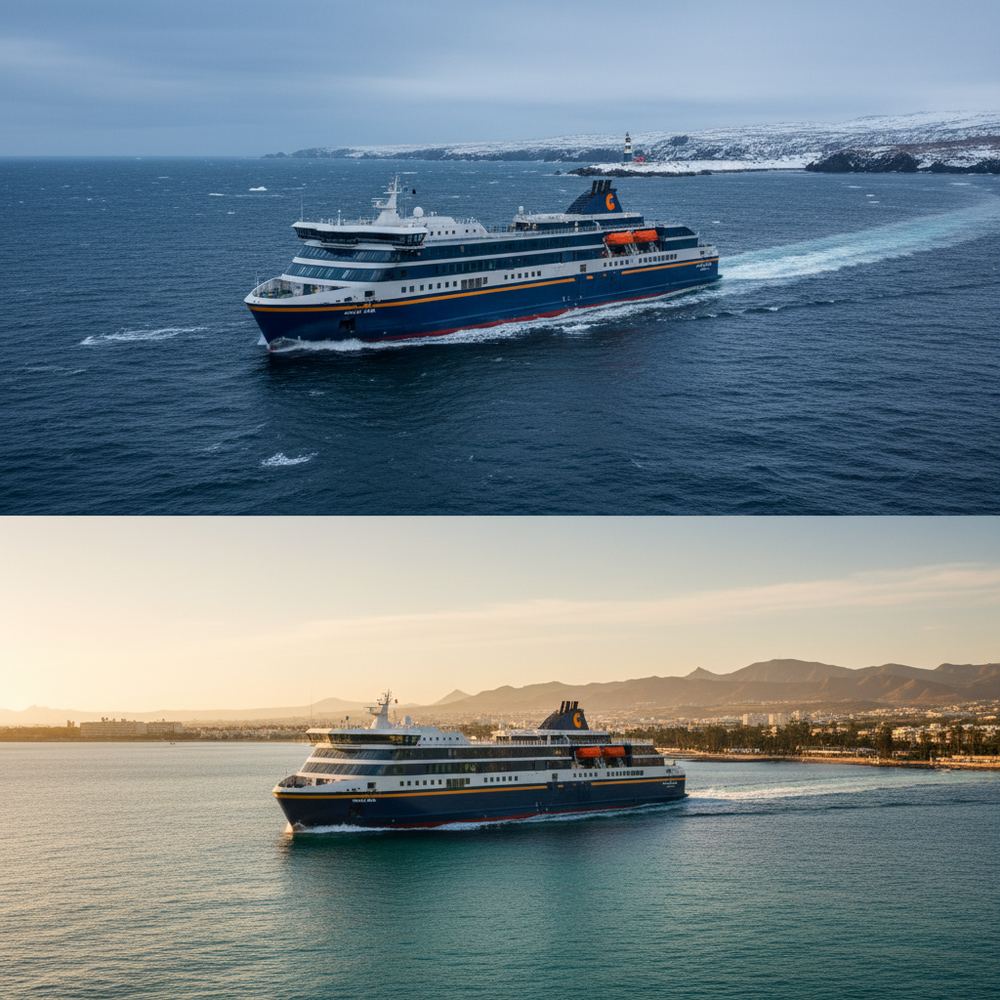

Bringing new or acquired vessels onto the same records
When a group takes over vessels or a whole company, the incoming ships usually bring their own maintenance history, certificates and procedures, each in its own format.
Adding a vessel to SupaMaritime means creating it, entering its equipment, maintenance plan, certificates and crew, and uploading its documents. The effort depends on the size of the fleet and the state of the existing records. Onboarding, configuration and data migration services are provided only when the order form includes them.
SupaMaritime does not replace, or connect to, the finance, reservation or ticketing systems that come with an acquisition.
ESG and emissions reporting stay outside SupaMaritime
Ferry groups face growing emissions reporting duties, such as EU MRV, the EU ETS for shipping and FuelEU Maritime, alongside ESG questions from boards and investors. These rely on fuel consumption and voyage data.
SupaMaritime Ferry does not record fuel consumption or emissions and does not produce MRV, ETS, FuelEU, CII or ESG reports. That work belongs in a dedicated tool.
What SupaMaritime can contribute is the maintenance and compliance record (maintenance history, defects, drills, audits and certificates), which you can export as CSV, JSON or XLSX.
Compliance at group scale: ISM, MLC and ISPS
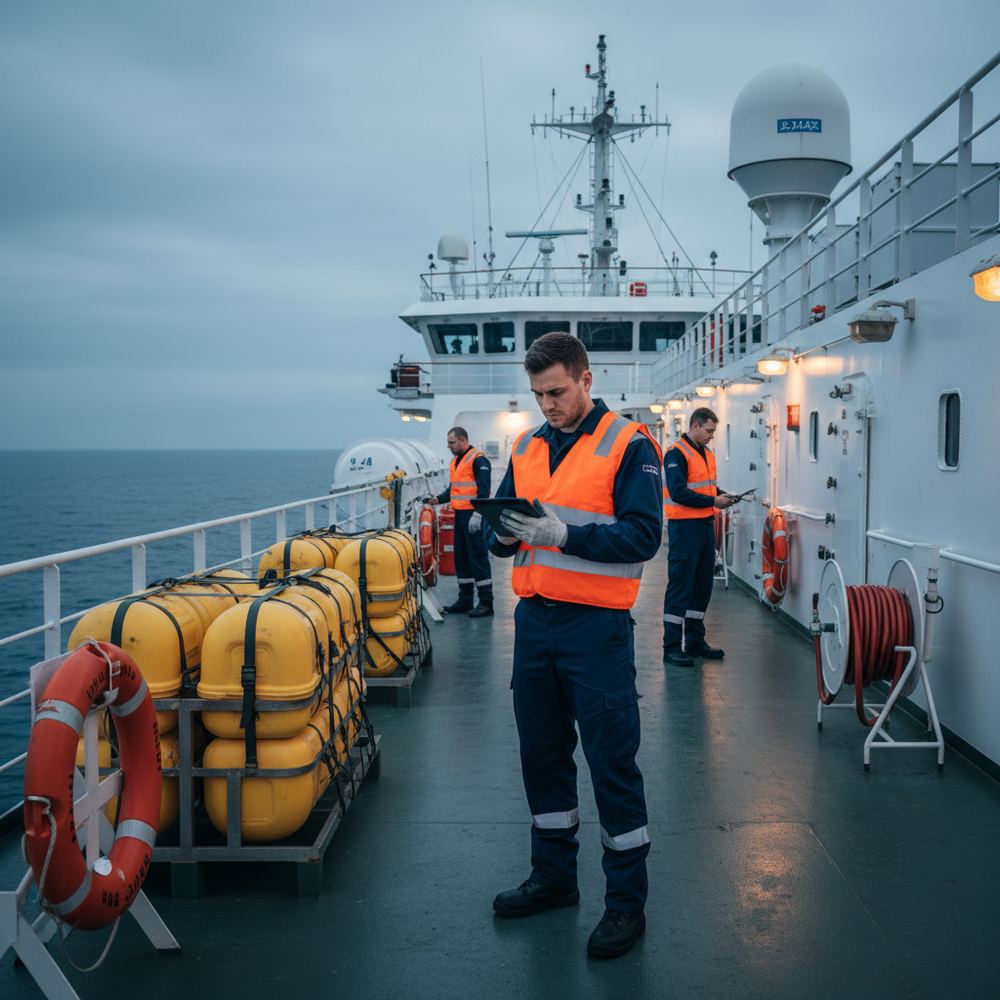
Under the ISM Code, the company holds a Document of Compliance and each ship a Safety Management Certificate, and audits check that the safety management system is applied ashore and on board. MLC and STCW set rest-hour limits for seafarers, and ISPS sets security requirements for ships and port facilities.
For a group, the difficulty is keeping evidence consistent across many vessels. In SupaMaritime, ISM and ISPS items, audits and drills, insurance inspections and vessel certificates are recorded per vessel in the compliance hub with expiry reminders, and SOLAS records sit alongside.
Crew rest hours are checked against MLC and STCW limits, and crew certificates carry expiry alerts. The office sees documents approaching expiry across the fleet on the dashboard.
How this compares to the alternatives
Spreadsheets, shared folders and older software that differ by vessel or region, common in groups that grew through acquisitions.
Used by many large companies for finance, procurement and HR. SupaMaritime does not connect to them.
Ferry-sector software focused on reservations and ticketing, a different part of the operation from SupaMaritime.
Some groups build their own software around requirements specific to their routes and organisation.
Frequently asked questions
Can SupaMaritime give the office one view across several routes and regions?
Does it handle multi-entity or financial reporting?
Can it replace our ERP?
Does it produce ESG or CO2 reports?
Does it connect to our ERP, reservation or ticketing system?
How do we add vessels from an acquired company?
Can different vessel types be managed together?
What pricing applies to a larger group?
See it in your workflow, not a generic demo
We'll walk through built for multi-route ferry groups.
Free plan with Dashboard, Contacts, Inventory and Documents. Pro is €199 per vessel per month + VAT. For larger fleets, contact us.