RoPax Ferry Maintenance, Crew and Compliance Software
Planned maintenance, crew certificates, hours of rest and ISM, ISPS and SOLAS records for RoPax vessels. Ticketing and deck loading stay in your own systems.
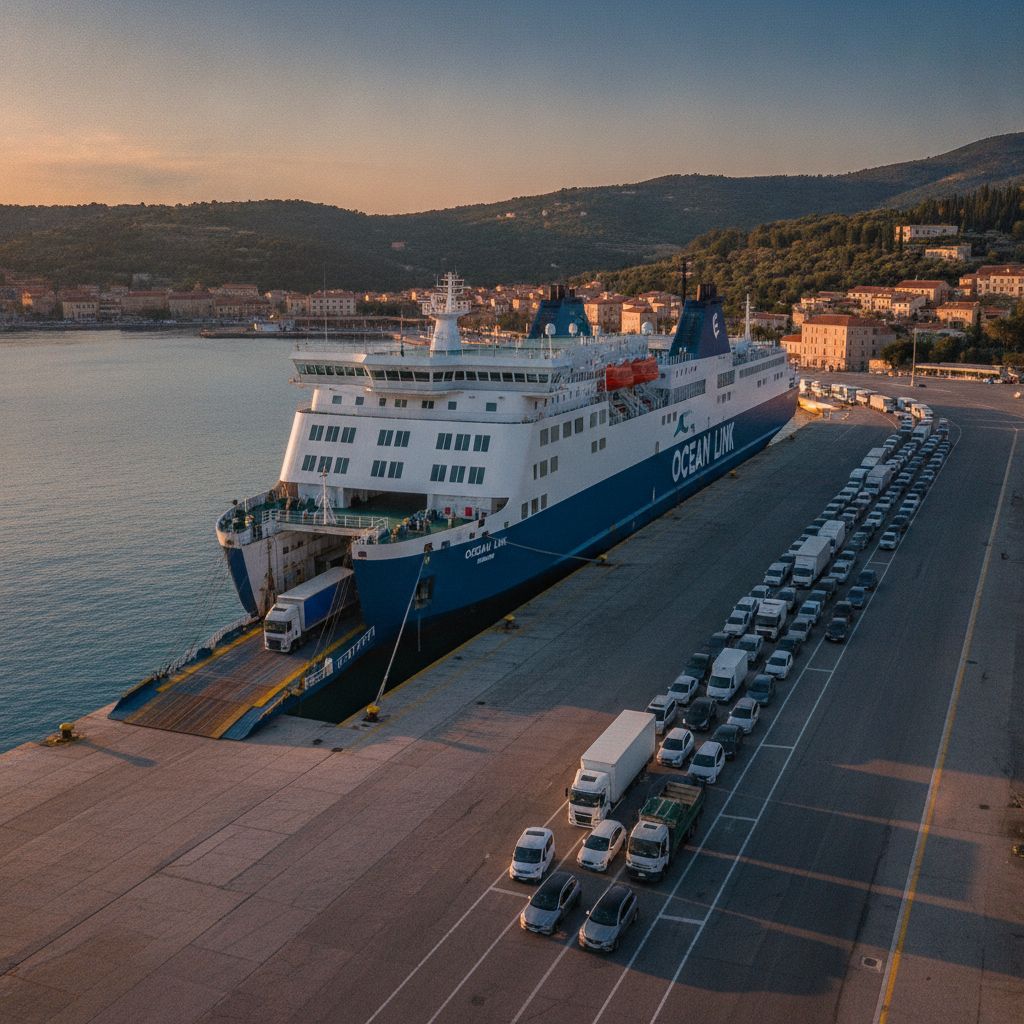
Who this is for
- You operate RoPax vessels carrying passengers and vehicles, on one route or several
- Your maintenance plans, crew certificates and drill records live in spreadsheets, binders and email
- Your crews work tight rotations and hours of rest must be recorded against MLC and STCW limits
- Your office wants to see overdue maintenance, expiring documents and open defects across the fleet
- You already have a reservation and check-in system and want to keep it
A RoPax operator runs two businesses on one hull: passengers and vehicles. The commercial side (reservations, ticketing, check-in and deck loading) is usually handled by specialised systems that operators have run for years. The vessel side is often less organised: maintenance plans in spreadsheets, certificates in binders, drill records on paper and rest-hour sheets filled in at the end of the week.
SupaMaritime Ferry covers that vessel side. It is a web app for planned maintenance and work orders, onboard spare parts, crew records and certificates, duty rosters with hours of rest checked against MLC and STCW limits, and a compliance hub for ISM, ISPS and SOLAS items, audits, drills and vessel certificates.
It does not sell tickets, take reservations, build passenger manifests or plan vehicle deck loading, and it does not connect to the systems that do. Your reservation, check-in and loading tools stay as they are; SupaMaritime runs alongside them for maintenance, crew and compliance.
Where the day breaks down
Maintenance slips on tight turnarounds
Ramps, bow and stern doors, main engines and car-deck equipment work hard between short port stays. When the maintenance plan is a spreadsheet, jobs drift and nobody sees what is overdue until something fails.
Certificates expire in too many places
Vessel certificates, crew certificates, insurance documents and inspection reports sit in different folders and inboxes. Expiry dates are tracked by memory or in a calendar that one person keeps.
Hours of rest on tight rotations
Crews on frequent sailings work close to the MLC and STCW rest limits. Paper records are often completed after the fact, which is the least useful moment to discover a breach.
Drill and audit evidence is scattered
Abandon-ship and fire drills, internal audits and ISPS items all need records that an auditor or port State control officer can check. Gathering them before an inspection is a job in itself.
Nobody is sure which spares are on board
When a critical spare is used and not reordered, the next failure waits for a delivery. Onboard stock lists rarely match what is actually in the store.
The office cannot see the fleet at a glance
With several vessels, the superintendent needs to know which ship has overdue jobs, open defects or expiring documents without phoning each master.
Built around the workflow, not bolted on top
SupaMaritime Ferry gives each RoPax vessel a maintenance plan, a crew and rest-hour record and a compliance file, and gives the office one view across the fleet. Ticketing, reservations, check-in and deck loading stay in the systems you already use; SupaMaritime does not replace them or connect to them.
Planned maintenance and work orders
Jobs tied to an equipment register (ramps, doors, engines, generators, safety equipment), planned by calendar or running hours. Defects are logged against the equipment they affect.
ISM, ISPS and SOLAS compliance hub
Audits, drills, insurance inspections, ISM and ISPS items and SOLAS records in one place, together with vessel certificates and their expiry reminders.
Hours of rest against MLC and STCW
Duty roster and recorded hours checked against MLC and STCW rest limits, with timesheets and leave requests for each crew member.
Crew records and certificates
Each crew member's certificates with expiry dates and alerts, so renewals are visible well before someone joins a vessel with a lapsed certificate.
Onboard inventory and spare parts
Spare parts per vessel. Parts used on a work order come off inventory, low stock shows on the dashboard and inventory orders are tracked.
Fleet dashboard for the office
Overdue maintenance, expiring documents, low stock and open defects for every vessel, with permissions by role and department.
Illustrative example: a hypothetical two-vessel RoPax operator
This is an invented scenario, not a customer story. A small operator runs two RoPax vessels on a single route. Reservations and check-in run in a booking system the company has used for years, and the loadmaster plans the car deck as before. The technical superintendent and the designated person ashore want the vessel side in order.
Before SupaMaritime
After SupaMaritime
A maintenance spreadsheet per vessel, updated when someone remembers.
Maintenance jobs and work orders tied to each vessel's equipment, planned by calendar or running hours.
Vessel and crew certificates tracked in a shared calendar kept by one person.
Vessel certificates and crew certificates with expiry reminders.
Hours-of-rest sheets on paper, collected at the end of each week.
Duty roster and hours of rest recorded in the app and checked against MLC and STCW limits.
Drill and audit records in binders on board, copied to the office before inspections.
Drills, audits, ISM and ISPS items and SOLAS records kept in the compliance hub.
A spare parts list that is out of date; missing spares discovered when they are needed.
Parts used on work orders come off the onboard inventory; low stock appears on the dashboard.
Facts you can check
Recorded hours checked against MLC and STCW rest limits.
English, Italian, Spanish, French, German and Portuguese.
Dashboard, Contacts, Onboard inventory and Documents, no credit card.
Your data at any time, files in their original format, no export fee.
Where SupaMaritime fits in a RoPax operation
A RoPax vessel carries passengers and vehicles together, so the operator deals with a passenger business, a freight business and the regulatory weight of a passenger ship at the same time. The commercial side usually runs on specialised software: a reservation and ticketing system, often a separate freight booking tool, check-in at the port and the loadmaster's own method for planning the vehicle deck.
SupaMaritime does not try to replace any of that. It has no ticketing, reservations, passenger manifests, deck loading, stability calculation or dangerous goods module, and it does not connect to the systems that provide them. There is no public API.
What it covers is the vessel and its crew: planned maintenance and work orders, defects, onboard spare parts, crew certificates, duty rosters and hours of rest, and the compliance records that an ISM, ISPS or SOLAS audit asks for. For many RoPax operators, that is the part still run on spreadsheets and paper.

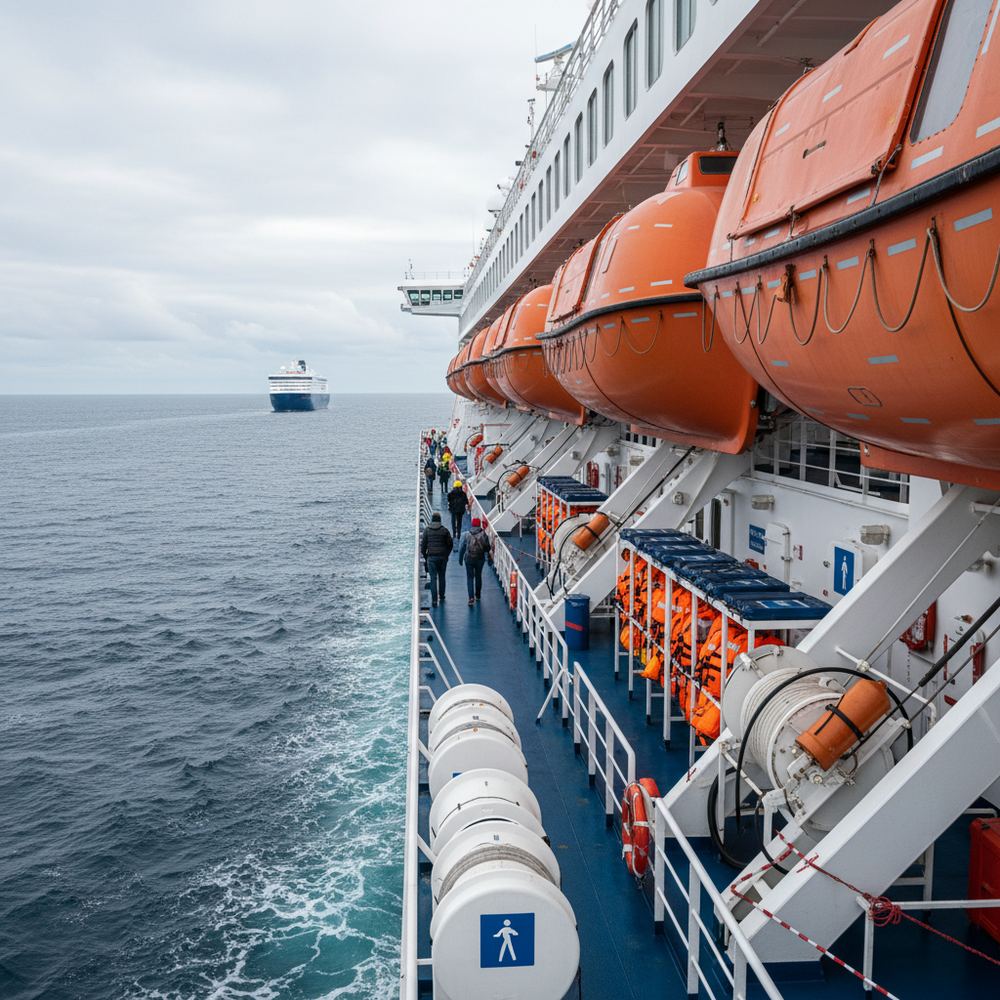
SOLAS, ISM and ISPS: the paperwork of a passenger ship
Passenger ships carry a heavier regulatory load than most cargo ships. SOLAS sets requirements for life-saving appliances, fire safety and drills; the ISM Code requires a safety management system with records showing that it works; the ISPS Code adds ship security; STCW and MLC govern crew certificates, working hours and rest.
Each regime asks for evidence: drills held on the recorded dates, equipment inspected, certificates in date, audit findings closed. When those records live in separate binders and inboxes, preparing for an audit or a port State control inspection means gathering them by hand.
In SupaMaritime Ferry the compliance hub holds ISM and ISPS items, audits and drills, insurance inspections, SOLAS records and vessel certificates with expiry reminders. Crew certificates and hours of rest sit in the crew records. The evidence is kept where the work is recorded, and it can be exported as CSV, JSON or XLSX.
Vehicle deck equipment: maintaining what the deck depends on
Working the vehicle deck is a skilled job, and on most RoPax vessels the loadmaster plans it with the operator's existing methods and tools. SupaMaritime does not plan loading sequences, lanes or stowage, and it does not calculate stability.
The equipment the deck relies on still needs looking after: stern and bow ramps, doors and their hydraulics, car-deck ventilation, fire detection and drencher systems, lashing points and lighting. A ramp out of service can cost a sailing just as surely as a booking error.
In SupaMaritime each of these items can be entered in the equipment register with its own maintenance jobs, planned by calendar or running hours. Defects are logged against the equipment, parts used come off the onboard inventory, and the dashboard shows the office what is overdue on each vessel.

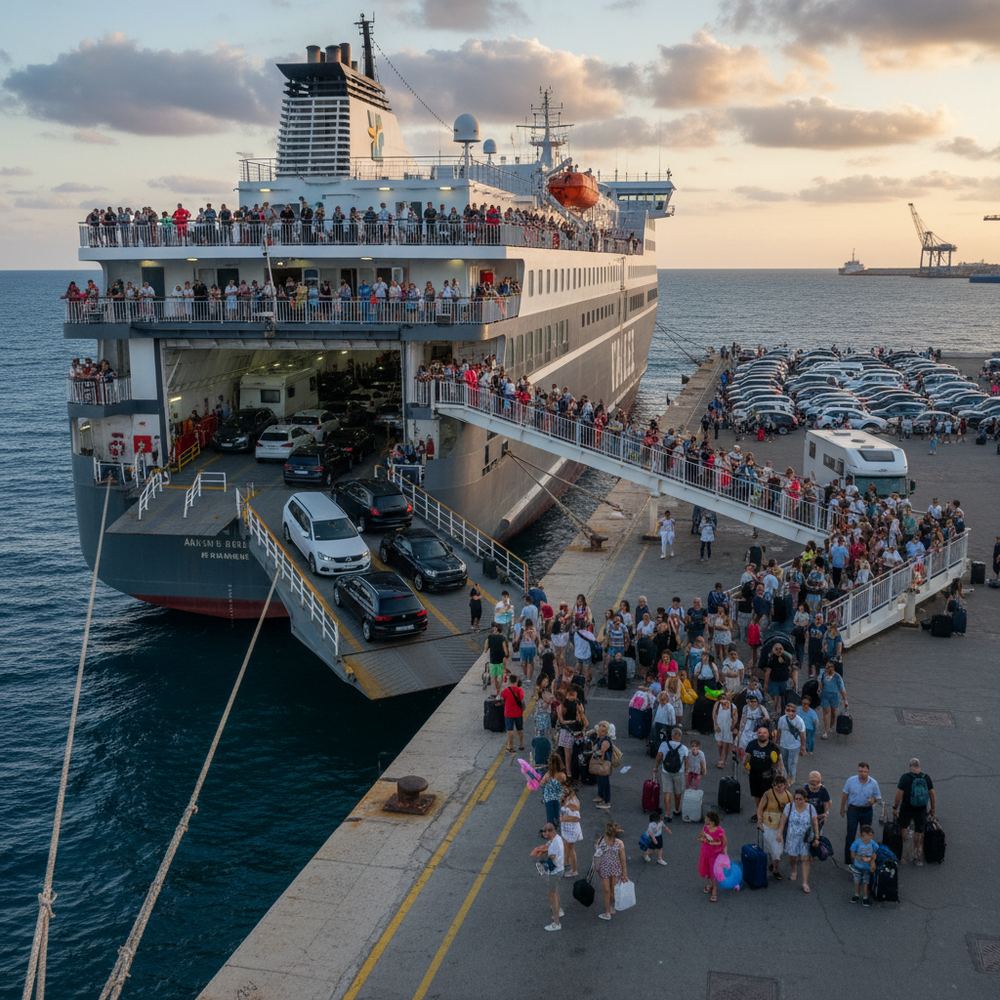
Seasonal peaks: keeping maintenance and rest hours in order
Many RoPax routes are busiest in summer. Extra sailings shorten port time, maintenance gets pushed to the quieter season and crews work closer to their rest limits. Seasonal crew join with certificates that need checking.
SupaMaritime does not plan timetables or extra sailings. It helps on the vessel side of the peak: deferred maintenance jobs stay visible, the duty roster and recorded hours are checked against MLC and STCW limits, and new crew members' certificates are recorded with expiry alerts.
Crews use the web app on a phone, tablet or desktop, in six languages. When the signal drops at sea, the last synced data stays readable. Crew can also send messages, voice notes and photos through the Telegram assistant.
How this compares to the alternatives
Ferry booking and ticketing software. It works on the commercial side, which SupaMaritime does not cover; the two do not connect.
Software company whose ferry systems handle booking and ticketing. Also on the commercial side rather than maintenance and crew.
Still a common way to track maintenance, certificates and rest hours on RoPax vessels. Free to start, but hard to keep current across a fleet.
Frequently asked questions
What does SupaMaritime Ferry do for a RoPax operator?
Does SupaMaritime handle passenger ticketing, reservations or check-in?
Can it plan vehicle deck loading or calculate stability?
Does it produce passenger manifests or handle dangerous goods (IMDG)?
Does it connect to our reservation system or a port community system?
How are hours of rest handled for crews on tight rotations?
Where is the data hosted and how is it protected?
What support is included?
See it in your workflow, not a generic demo
We'll walk through built for ropax operators.
Start on the free plan (Dashboard, Contacts, Onboard inventory and Documents, no credit card). Pro is €199 per vessel per month + VAT. For larger fleets, contact us for a quote.