Marine Catering & Galley Management Software: Feeding Crew and Passengers at Sea
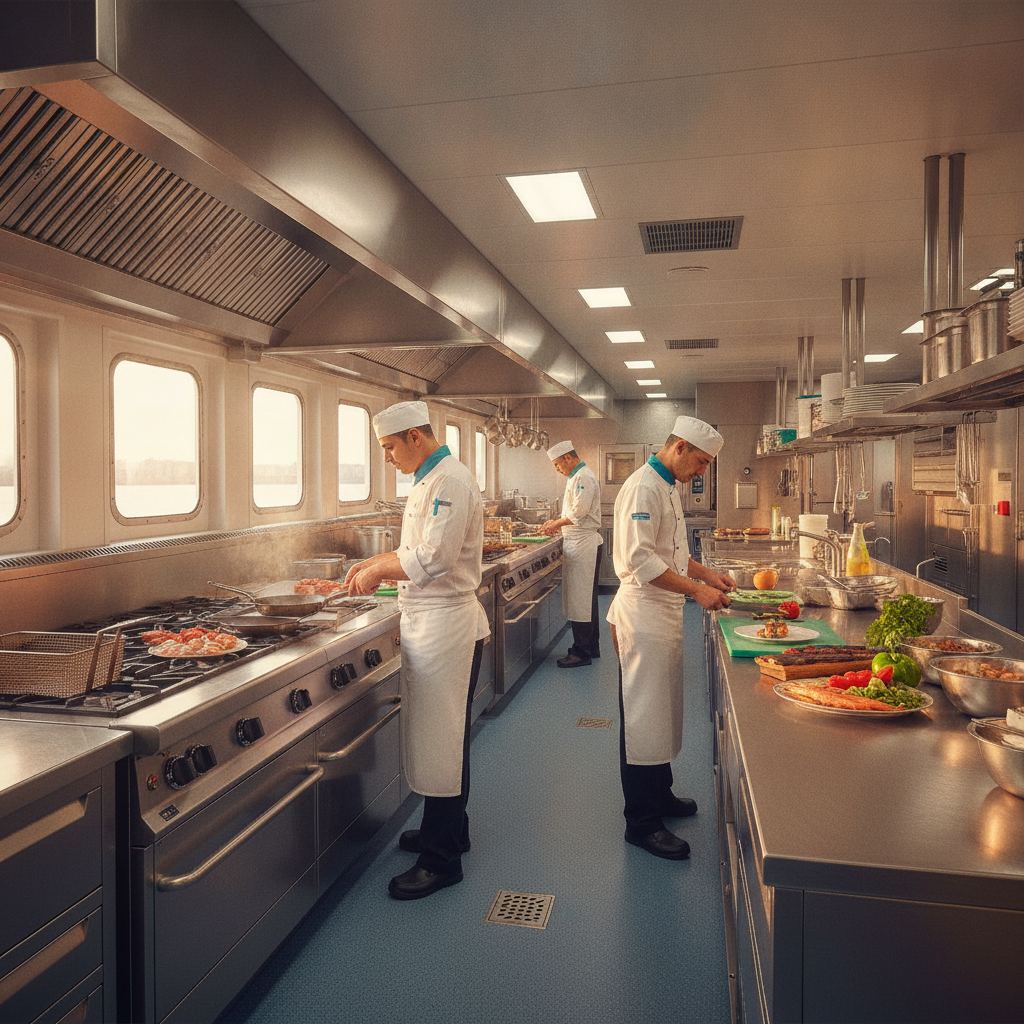
Few operations on a passenger vessel are as relentless as catering. While the bridge stands a watch and the engine room monitors a steady state, the galley runs a continuous cycle of service: breakfast for hundreds of passengers, a crew mess that never closes, a buffet that must be replenished mid-sailing, and an a la carte restaurant where standards cannot slip. Marine catering software exists to bring order to this complexity, turning provisioning, menu planning, food safety and cost control into a single managed workflow rather than a stack of spreadsheets and clipboards.
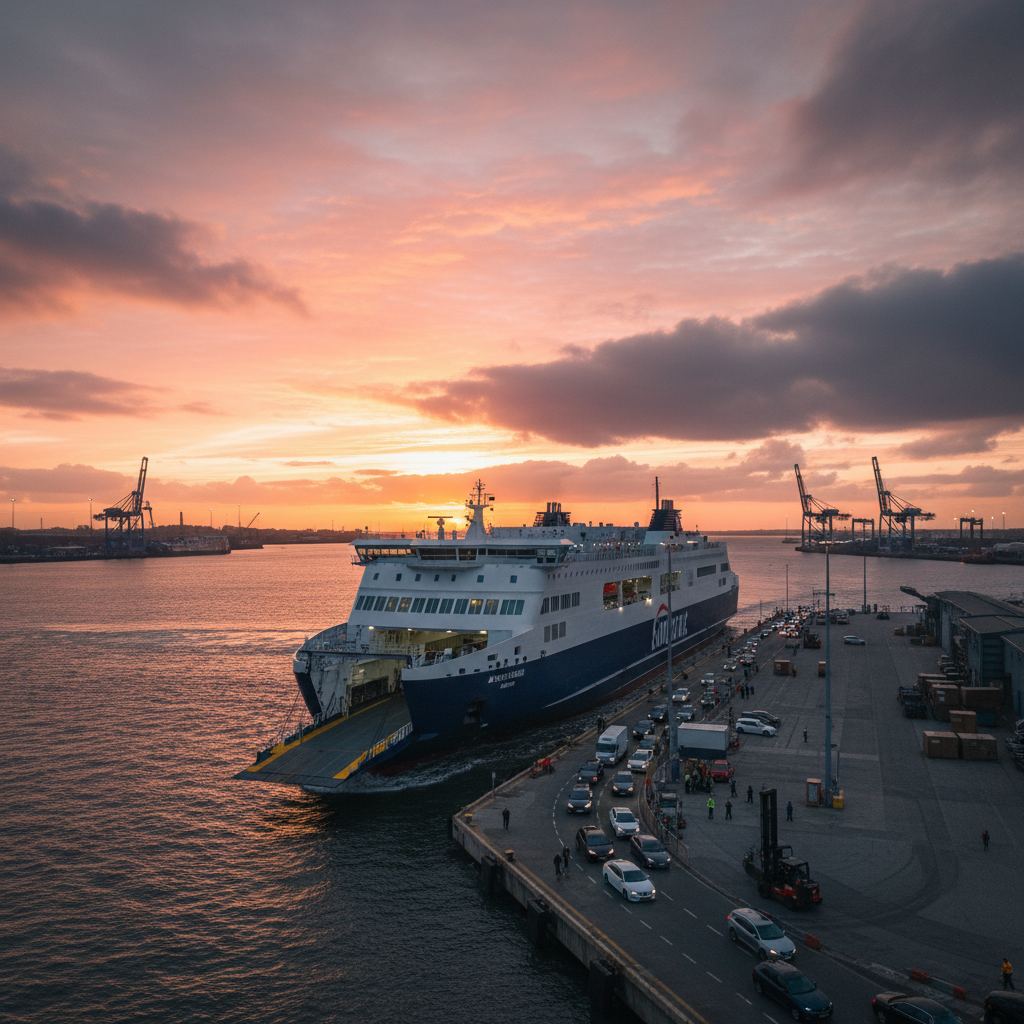
This guide is written for ferry and passenger vessel operators, fleet hotel and catering managers, pursers and chief stewards. The principles apply equally to merchant crew victualling, where feeding a smaller complement well, within a fixed daily rate, is its own discipline. Whether you run a single RoPax vessel or a fleet of inter-island ferries, galley management software changes how predictable, compliant and profitable your catering operation can be.
Why Catering at Sea Is Harder Than Catering Ashore
A shoreside restaurant can call a supplier when stock runs low. A vessel cannot. Once lines are cast off, the galley works with what is aboard until the next port of call, and that port may not stock the same products, may charge very differently, or may sit days away. Catering at sea therefore combines the demands of a high-volume restaurant with the constraints of a closed, moving supply chain.
The volume alone is significant. A busy ferry may feed several hundred passengers across multiple services in a single crossing, plus a crew complement that eats around the clock on a watch rotation. Each service has its own rhythm: a self-service buffet that must be portioned and replenished without running out, an a la carte galley working to order, and a crew mess that has to be reliable, hearty and economical. Managing all three from a shared store of provisions, on a moving deadline, is the core challenge that ship catering management tools are built to solve.
Provisioning and Supply: Planning Backwards From the Voyage
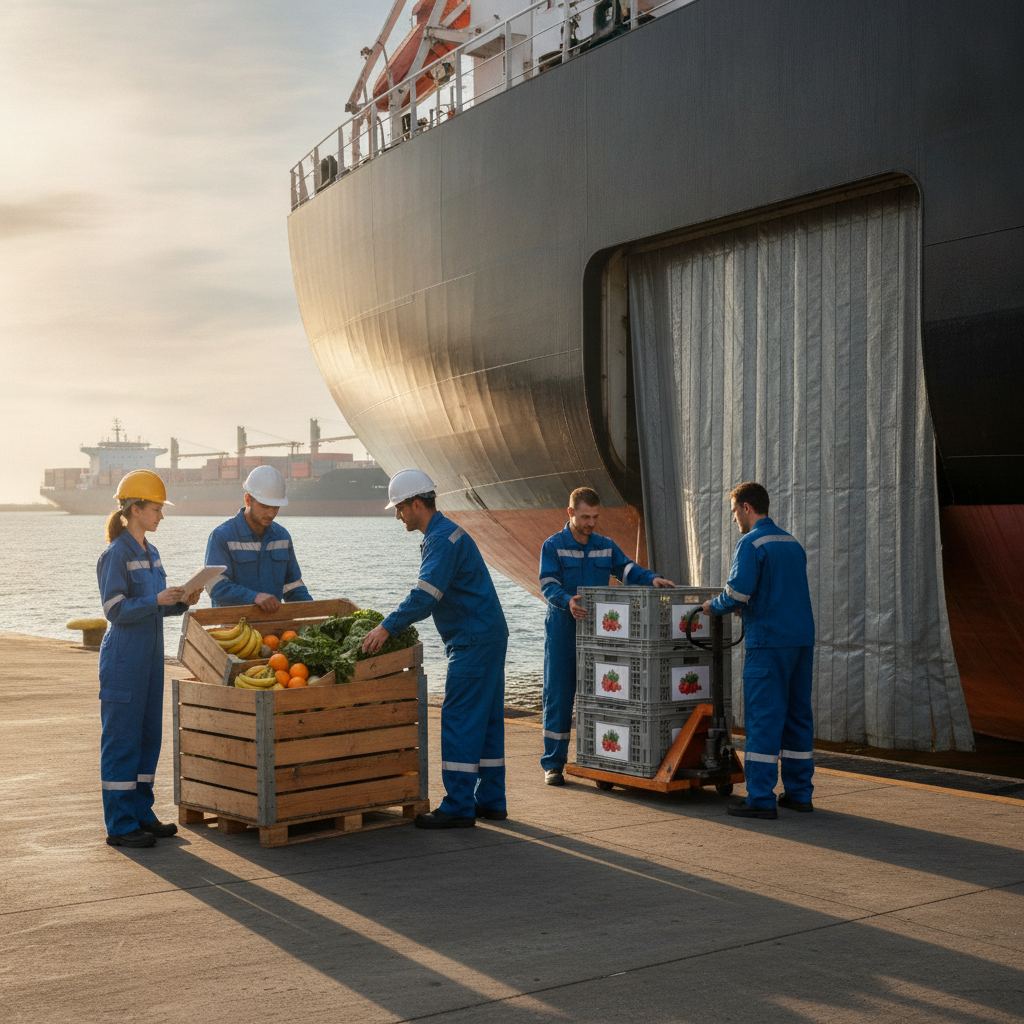
Good catering starts long before anyone lights a burner. Provisioning is the art of buying the right quantities, of the right products, at the right port, at the right price, with enough margin to absorb a delayed call or a heavier-than-expected passenger load. Galley management software supports this by linking forecast passenger and crew numbers to consumption history, so a purser can see what a typical crossing actually uses rather than guessing.
- Stores and lead times: dry goods, frozen, chilled and fresh items each carry different shelf lives and reorder windows. Software flags when an item should be ordered to arrive before the next sailing.
- Port-by-port sourcing: the same product can vary widely in price and availability between ports. Maintaining preferred suppliers and price history per port helps the catering manager source where it makes sense.
- Cold chain integrity: tracking storage conditions and temperatures protects both food safety and stock value, and creates the records inspectors expect to see.
This is also where catering connects to the wider procurement function. When provisioning sits alongside the vessel's general purchasing, requisitions, approvals and supplier records stay consistent. For a deeper treatment of that side, see our guide to ship provisioning and procurement software.
Menu Planning and Recipes
A menu is not just a list of dishes; it is a costed, repeatable plan that determines what gets bought, how much labour is needed, and what each cover earns or loses. Marine catering software lets galley teams build standardised recipes, scale them to forecast covers, and roll those recipes up into menu cycles that rotate across a voyage or a season.
Standardised recipes deliver consistency across crew changes, which matters enormously on vessels where the chief steward and galley brigade rotate. When a recipe specifies exact quantities and methods, a new cook can reproduce the same dish, the same cost and the same portion as the last. Menu cycles also make provisioning predictable: if the software knows the planned menu and the expected covers, it can generate a provisioning list automatically rather than relying on memory.
The galley does not need more spreadsheets. It needs a single source of truth that connects what we plan to cook, what we buy to cook it, and what it costs us per cover. When those three are linked, everything else becomes manageable.
Dietary, Allergen Management and Food Safety
Passenger catering carries real responsibility. Allergen declarations, dietary requirements and religious or cultural preferences must be handled accurately, and food safety is non-negotiable. A modern catering system holds allergen and ingredient data at recipe level, so a steward can answer a passenger query with confidence and flag dishes that contain common allergens before they reach the buffet line.
Food safety management is equally central. Vessels typically operate to HACCP principles, and the records that prove compliance — temperature logs, cleaning schedules, receiving checks, traceability of batches — are exactly the kind of repetitive documentation that software handles far better than paper. Digital hygiene records are time-stamped, harder to lose, and instantly retrievable when a port state inspector or a flag administration asks to see them. For passenger vessels subject to public health inspection regimes, that retrievability is often the difference between a smooth inspection and a stressful one.
Cost Control: Cover, Crew Day and the Victualling Rate
Catering is one of the few hotel functions where small inefficiencies, multiplied across thousands of covers, become large numbers. Cost control is therefore where catering software typically earns its keep. The discipline rests on a few core measures.
- Cost per cover: the food cost of each passenger meal served, tracked against a target so the catering manager can see drift early.
- Cost per crew day: the daily food cost of feeding each crew member, the key measure for crew messing and the figure most directly tied to budget.
- MLC victualling rate: under the Maritime Labour Convention, crew must be provided food and water free of charge and to an adequate standard. Operators often manage crew catering against a victualling rate per person per day; software makes it straightforward to track actual spend against that rate.
- Budget versus actual: comparing planned spend to real consumption, by vessel and by period, turns catering from a cost that is discovered after the fact into one that is steered in real time.
The value of these measures is that they are comparable. When every vessel in a fleet reports cost per cover and cost per crew day on the same basis, a fleet catering manager can benchmark vessels against each other, identify where waste or over-ordering is creeping in, and share what the best-performing galleys are doing well.
Stock and Waste Management
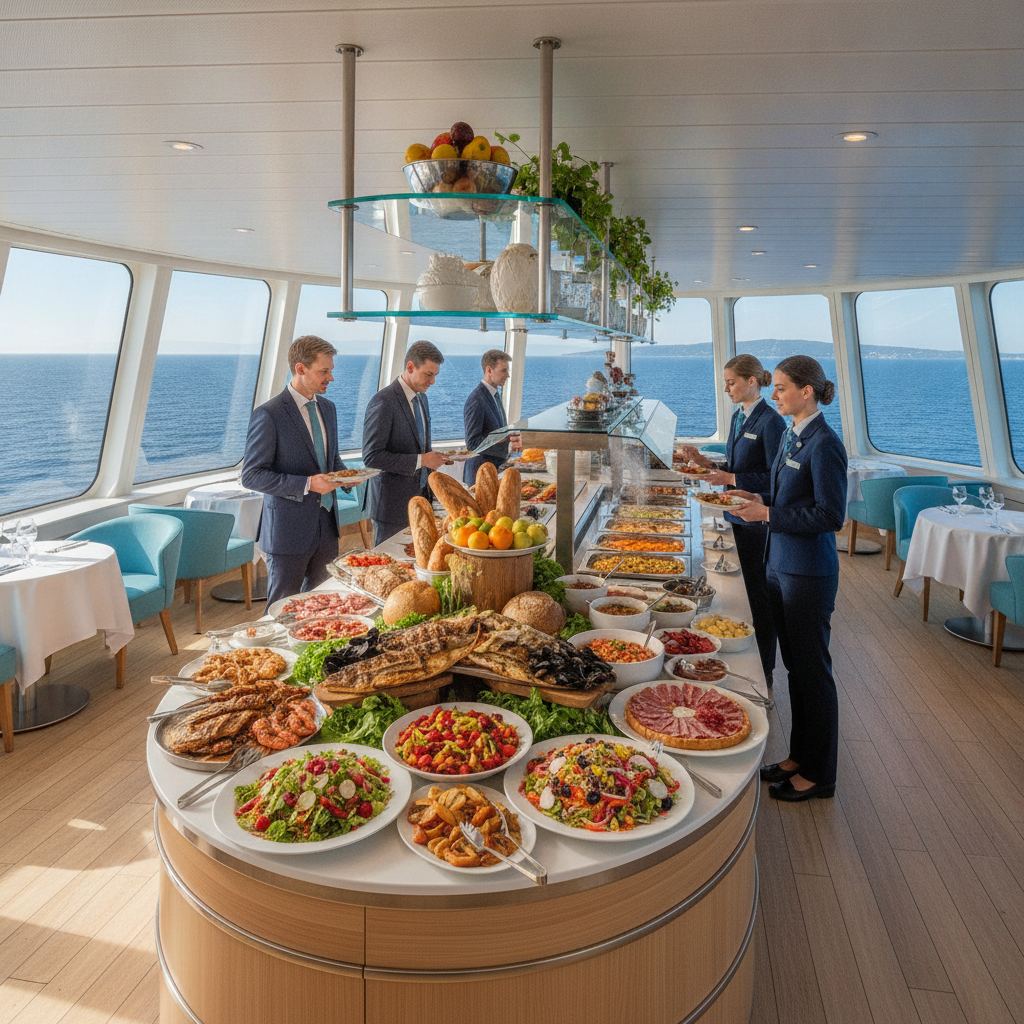
Every item that spoils, over-portions or disappears is margin lost. Stock management within catering software keeps a live picture of what is aboard, what has been issued to which service, and what should be reordered. This matters most around the edges of a voyage: arriving in port with the right buffer of stock, neither short nor carrying so much fresh product that it spoils before it can be used.
Waste tracking closes the loop. Recording what is thrown away — and why — surfaces patterns that are invisible day to day: a buffet item that is consistently over-produced, a recipe whose yield is wrong, a storage practice that shortens shelf life. Over a season, acting on those patterns can meaningfully reduce food cost while also supporting the environmental commitments that more operators are now making.
Crew Catering Versus Passenger Catering
The two sides of the galley have genuinely different objectives, and good software respects the difference. Passenger catering is a revenue and experience function: presentation, choice and consistency drive satisfaction and onboard spend. Crew catering is a welfare and cost function: nutritious, reliable meals delivered within a tight per-person rate, available across watches, and compliant with welfare obligations.
On merchant vessels there is no passenger side at all, and crew victualling becomes the whole job — feeding a modest complement well, day after day, within a fixed budget and from stores that may have to last weeks. The same software principles apply: forecast the complement, plan the menu, provision against it, control the rate, and keep the food safety records. Treating crew messing as a discipline in its own right, rather than an afterthought to passenger service, is one of the clearest signs of a well-run catering operation.
Integration, Reporting and Choosing Software
Catering does not live in isolation. Its value multiplies when it connects to the systems that already drive the vessel. Integration with provisioning and procurement keeps purchasing consistent. A live feed of passenger and crew numbers lets the galley scale recipes and provisioning to the actual load rather than a static assumption. Linking to document management keeps certificates, supplier approvals and food safety records where auditors expect them.
Reporting is what ties it together for management. Fleet-level dashboards covering cost per cover, cost per crew day, budget variance, waste and food safety compliance let a catering director manage by exception — looking first at the vessels that are drifting, rather than reading every galley's detail. When evaluating victualling software, the questions worth asking are practical:
- Does it work for both passenger services and crew messing, or only one?
- Does it connect to provisioning, procurement, crew numbers and document management, or is it another island system?
- Can the galley actually use it at the pace of service, including offline when connectivity drops at sea?
- Does it produce the food safety and HACCP records inspectors ask for, without extra paperwork?
- Does it report consistently across a fleet so vessels can be compared and improved?
Frequently Asked Questions
What is marine catering software?
Marine catering software is a system that manages onboard food operations end to end: provisioning, menu and recipe planning, allergen and dietary data, food safety and HACCP records, stock and waste, and cost control. It is designed for the realities of a vessel — closed supply, parallel services, and crew that eat around the clock — rather than adapted from a shoreside restaurant tool.
How does galley management software help with food cost control?
It links recipes, provisioning and consumption so you can track cost per cover and cost per crew day against a target and compare budget to actual in real time. By surfacing over-ordering, waste and recipe yield problems early, it lets the catering manager correct drift before it accumulates across thousands of covers.
What is the MLC victualling rate and how does software help?
Under the Maritime Labour Convention, crew must receive food and water free of charge and of suitable quality and quantity. Operators commonly manage crew catering against a victualling rate per person per day. Catering software tracks actual spend against that rate per vessel and per period, so welfare standards and budget discipline are maintained together.
Does the same software handle both passenger and crew catering?
Good marine catering software handles both, while respecting their different goals — revenue and experience for passengers, welfare and cost for crew. On merchant vessels with no passengers, the same system manages crew victualling alone, from forecasting the complement to provisioning, rate control and food safety records.
How does catering software support food safety and HACCP compliance?
It holds allergen and ingredient data at recipe level and captures the records that prove HACCP compliance — temperature logs, cleaning schedules, receiving checks and batch traceability — as time-stamped digital entries. These are easier to maintain than paper and instantly retrievable when a port state or flag inspector asks to see them.
SupaMaritime's Ferry module includes a dedicated Catering & Kitchen capability that brings menu planning, provisioning, allergen and food safety records, and cost control into one connected workflow — built for the demands of RoPax operators and inter-island ferries alike. Explore how it fits alongside our wider platform modules, and talk to us about bringing predictable, compliant, cost-controlled catering to your fleet.